
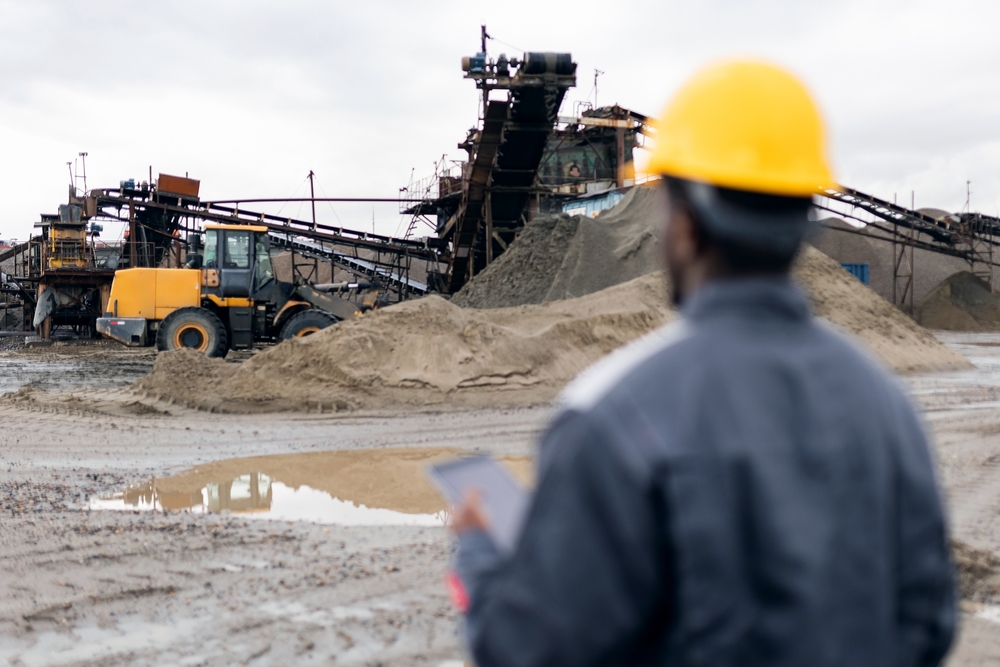
Understanding the environmental site assessment timeline is essential for anyone involved in property development, investment, or management in Melbourne. Knowing how long each stage of an assessment takes can save both time and money while ensuring compliance with Victorian environmental regulations. An environmental site assessment helps identify potential contamination risks, from historical land use to hidden soil or groundwater issues, which could impact property value or development approvals. By planning around the expected timeline, stakeholders can align project schedules, engage the right Melbourne environmental consultants, and avoid costly delays. Whether it’s a small urban lot or a larger industrial site, having a clear understanding of the assessment process, from initial site inspection to detailed laboratory testing and final reporting, provides peace of mind.
What is an Environmental Site Assessment?
An environmental site assessment (ESA) is a systematic process used to evaluate the potential contamination of a property. It is a critical step for developers, investors, and property managers in Melbourne who want to ensure that land is safe, compliant with Victorian regulations, and suitable for intended use. ESAs are typically conducted in phases to provide a clear and structured understanding of environmental risks.
Phase 1 involves a non-invasive review, including historical records, aerial imagery, and site inspections. The goal is to identify any past land uses that may have caused contamination, such as industrial activity, chemical storage, or waste disposal. This phase does not involve soil or water sampling but provides a preliminary risk assessment.
If potential contamination is suspected, a Phase 2 assessment is undertaken. This stage is more detailed and includes sampling of soil, groundwater, and sometimes building materials, followed by laboratory testing to determine the presence and extent of contaminants.
By conducting an ESA, stakeholders gain valuable insights into environmental risks, potential remediation requirements, and legal obligations.
Factors Influencing the ESA Timeline
The duration of an environmental site assessment timeline can vary significantly depending on several key factors. Understanding these variables helps property developers, investors and builders plan projects efficiently and avoid costly delays.
Firstly, the size and complexity of the property play a major role. Larger sites or those with a long industrial history may require more extensive research, inspections, and sampling, extending the assessment period. Similarly, the historical land use influences how quickly potential contamination risks can be identified. Properties previously used for industrial or commercial purposes often require a more detailed investigation.
Environmental conditions, such as seasonal rainfall or groundwater levels, can also affect the timing of sampling and laboratory analysis, particularly in cities like Melbourne where weather patterns are variable. Additionally, the scope of testing, including soil, groundwater, and building materials, directly impacts the duration of Phase 2 assessments.
Finally, laboratory turnaround times and regulatory review requirements under Victorian environmental regulations may extend the overall timeline. Engaging experienced environmental consultants in Melbourne ensures that these factors are accounted for, helping to streamline the ESA process and maintain project schedules.
Phase 1 Environmental Site Assessment Timeline
The Phase 1 environmental site assessment is the first step in evaluating a property’s contamination risk, providing a non-invasive review of potential environmental issues. This stage focuses on identifying historical land uses and activities that may have introduced contaminants to the site, without the need for soil or groundwater testing.
Typically, Phase 1 begins with a desktop review of historical records, including maps, aerial photographs, land title documents, and previous environmental reports. Site inspections follow, allowing consultants to observe current conditions, identify visual signs of contamination, and assess potential risks. Interviews with past and present site owners or occupiers can provide additional insight into historical activities.
For most properties in Melbourne, a Phase 1 assessment can generally take two to four weeks. However, factors such as the property’s size, complexity of historical land use, and the availability of records can influence the timeline. Once complete, the environmental consultant prepares a Phase 1 ESA report, outlining any potential contamination risks and recommending whether a Phase 2 assessment is necessary.
Phase 2 Environmental Site Assessment Timeline
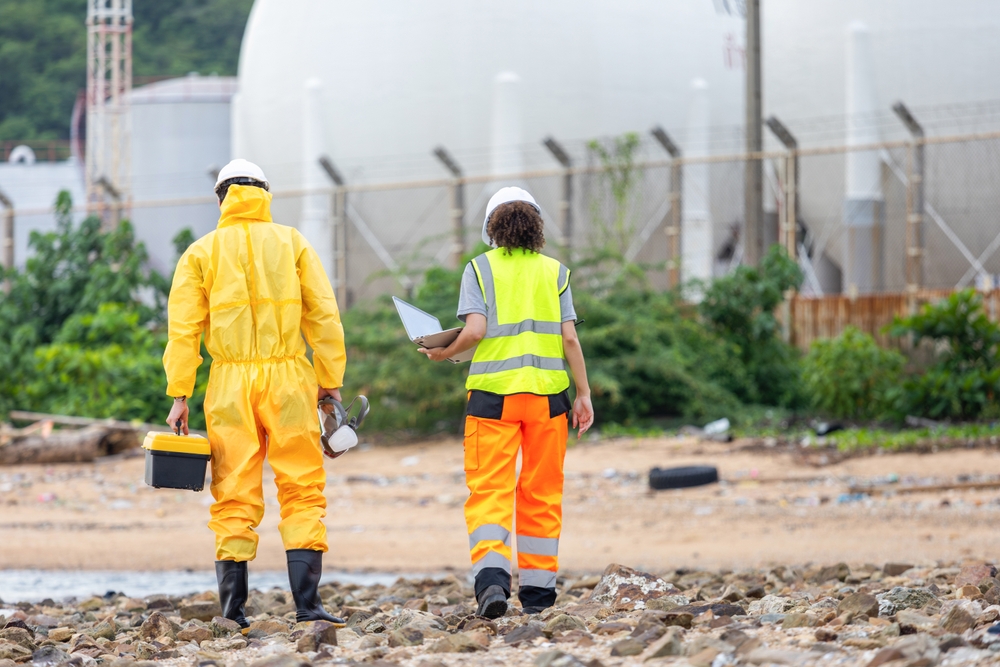
A Phase 2 environmental site assessment is conducted when a Phase 1 review identifies potential contamination risks. Unlike the preliminary Phase 1, Phase 2 involves detailed, on-site investigations, including soil, groundwater, and sometimes building material sampling. The aim is to confirm the presence, type, and extent of contaminants, providing a foundation for risk management or remediation strategies.
The Phase 2 timeline begins with planning and site preparation, where consultants determine sampling locations, required equipment, and safety protocols. Fieldwork can vary in duration depending on site size, accessibility, and the number of samples required. Typically, this stage can take one to three weeks. Once samples are collected, they are sent to accredited laboratories for chemical and microbiological analysis, which can require two to four weeks depending on the type of tests and lab capacity.
After laboratory results are received, the environmental consultant prepares a Phase 2 ESA report, detailing findings, contamination levels, and recommendations for any necessary remediation. Drafting and reviewing the report can take an additional one to two weeks, ensuring accuracy and regulatory compliance under Victorian environmental regulations.
Reporting and Regulatory Review
Once the fieldwork and laboratory analysis of a Phase 2 environmental site assessment are complete, the next critical stage is reporting and regulatory review. This phase ensures that all findings are documented clearly and comply with Victorian environmental regulations, providing stakeholders with actionable insights for property management or development.
The environmental consultant prepares a comprehensive ESA report, summarising site conditions, contamination levels, and any recommended remediation measures. The report typically includes detailed maps, laboratory results, and risk assessments, offering a complete picture of environmental risks. Drafting and reviewing this report can take one to two weeks, depending on the complexity of findings and the level of detail required.
Following report preparation, regulatory review may be necessary, especially if the site requires remediation or approval for redevelopment. Submissions to local councils or environmental authorities can affect project timelines, so early engagement with regulators is recommended.
A well-prepared ESA report not only supports compliance but also provides confidence for property transactions, development approvals, or investment decisions.

Tips for Streamlining the ESA Process
Understanding the environmental site assessment timeline is a big part of ensuring a smooth process, however, there are some steps that can potentially help to streamline their ESA and reduce potential delays.
Firstly, start by gathering historical site records and any previous environmental reports before engaging an environmental consultant. This will assist the consultant to focus on high-risk areas and potentially reduces time spent on preliminary research. Engaging an experienced environmental consultant in Melbourne early ensures that sampling, laboratory analysis, and reporting are conducted efficiently and in line with Victorian environmental regulations.
Secondly, consider seasonal factors, such as rainfall, which can affect groundwater sampling, and schedule fieldwork accordingly. Maintaining clear communication with regulators and stakeholders also helps address any issues promptly.
By planning ahead and adopting these strategies, property owners and developers can complete their environmental site assessment efficiently, manage costs, and ensure that property development or transactions proceed safely and on schedule.
Do You Need Environmental Consultants in Melbourne?
Look no further than Alpha Environmental. Understanding the environmental site assessment timeline is essential for developers, builders and investors in Melbourne. By planning around Phase 1 and Phase 2 assessments, engaging experienced consultants, and accounting for reporting and regulatory reviews, property stakeholders can manage contamination risks efficiently, ensure compliance with Victorian regulations, and keep projects on schedule.
Get in touch with Alpha Environmental by calling 1300 039 181 or fill in our online contact form and we will get back to you.
FAQ – Environmental Site Assessment Timeline
How long does an environmental site assessment take in Melbourne?
A full ESA, including Phase 1, Phase 2 (if required), and reporting, can typically take six to twelve weeks, though complex sites may take longer.
What is the difference between Phase 1 and Phase 2 ESA?
Phase 1 is a non-invasive review of historical records and site inspections, while Phase 2 involves soil, groundwater, and building material testing to confirm contamination.
Can ESAs delay property development projects?
Yes, if contamination is identified, remediation may be required, affecting development schedules. Early planning helps mitigate delays.
Do I need an environmental consultant in Melbourne?
Engaging a local consultant ensures compliance with Victorian environmental regulations and streamlines the assessment process.
Is a Phase 2 environmental site assessment always required?
No. A Phase 2 environmental site assessment is only required if Phase 1 identifies potential contamination risks. If no risks are found, further testing may not be necessary.
Who typically requires an environmental site assessment?
Environmental site assessments are commonly required by property developers, investors, lenders, and local councils, particularly before land purchases, redevelopment, or planning permit approvals.
What happens if contamination is found during the assessment?
If contamination is identified, environmental consultants will recommend appropriate remediation strategies. Additional investigation, risk assessment, and regulatory approvals may extend the environmental site assessment timeline before development can proceed.