
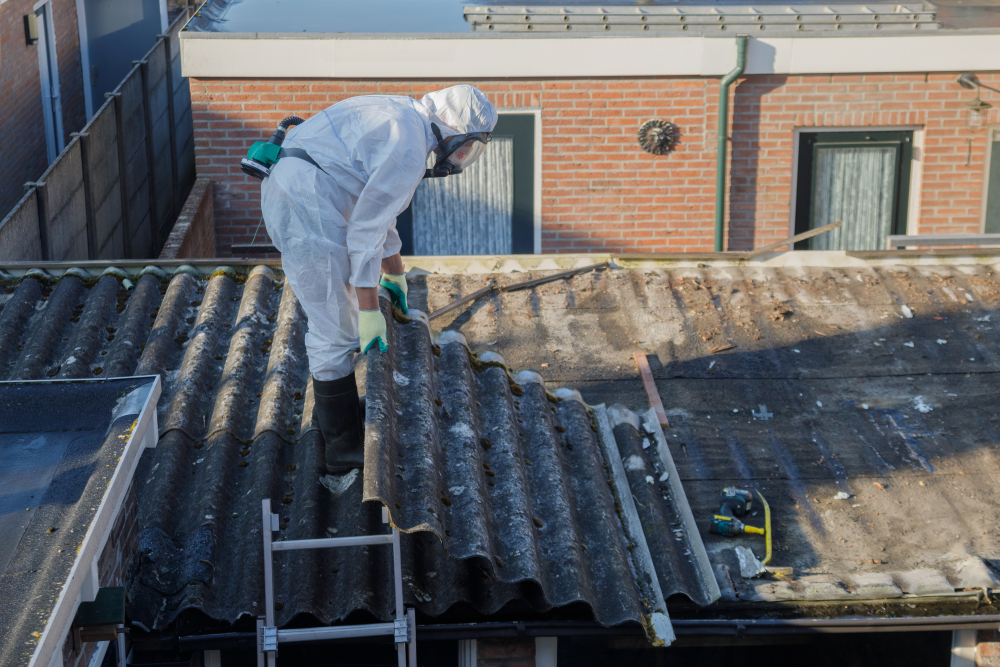
Asbestos removal involves far more than taking hazardous materials from a building and transporting them away from the property. A controlled process protects workers, occupants and surrounding areas while helping renovation, maintenance or demolition projects proceed appropriately. Property owners also need confidence that identified materials are handled without creating unnecessary contamination or disrupting other work onsite.
For Melbourne homeowners, builders and property managers, understanding each stage makes the process easier to plan and coordinate. The process generally includes confirming the material, preparing the work area, establishing controls, removing materials carefully and completing appropriate decontamination. Waste must then be packaged, transported and delivered to a facility authorised to receive asbestos. This guide explains those stages and highlights where environmental consultants can support identification, monitoring and clearance requirements.
What Happens Before Asbestos Removal Starts?
Safe work begins before workers touch any asbestos-containing material, allowing hazards and site requirements to be properly assessed. Careful planning establishes what materials are present, where they are located and how removal work can proceed safely.
Confirming the Material and Removal Scope
Suspected asbestos should first be identified correctly rather than assumed from colour, age or appearance alone. Many building products resemble asbestos-containing materials, making visual identification unreliable for confirming whether fibres are present.
Sampling and laboratory analysis can establish whether a material contains asbestos before disruptive work begins. Alpha Environmental provides asbestos testing and management services supporting identification and management decisions for residential and commercial sites.
Once results are available, the project team can determine which materials require removal and which areas need controls. The condition, location and type of material influence how removal work needs to be planned.
Importantly, finding asbestos does not automatically mean every identified material must be removed immediately from the property. Undisturbed materials may sometimes be managed in place when their condition and future use make that appropriate.
Selecting the Appropriate Removalist
WorkSafe Victoria states that workplace asbestos work generally requires a licensed removalist, although limited exceptions may apply. Licence requirements depend on the asbestos type, condition and specific activities planned for the particular site. A Class A licence can cover friable asbestos, while Class B licences apply to non-friable materials.
Property owners should confirm that contractors hold the correct licence for the asbestos material identified onsite. Contractors should clearly explain site controls, work methods, waste handling procedures and any required notification arrangements. For more complex projects, an occupational hygienist may provide independent monitoring, assessment or clearance alongside the contractor.
These independent services can help verify site conditions and provide additional oversight during important stages of work. Clear responsibilities between contractors and environmental professionals can also reduce confusion when several parties are involved.
Careful preparation before work begins helps clarify responsibilities, strengthen coordination and reduce avoidable uncertainty throughout the project.
How Is the Site Prepared for Professional Asbestos Removal?
Site preparation creates a controlled work area designed around the material, building conditions and surrounding activities. Controls should reflect the planned method for removing asbestos, site conditions, and identified risks rather than follow a generic arrangement.
Establishing the Removal Area
Before work begins, the removal zone should be separated from people who do not require access. Clear signage and secure barricades help identify restricted areas and prevent unauthorised entry during hazardous work. Depending on the material, nearby workspaces may need isolation to reduce contamination risks across surrounding areas. Protective coverings can also be used on surfaces where fibres or debris may otherwise settle during work.
Friable materials may require more controlled enclosures because disturbed fibres can become airborne more easily. WorkSafe guidance highlights signage, barricades, protective equipment and decontamination facilities as important control measures onsite. Dust suppression and asbestos control planning can also help reduce exposure risks throughout workplace activities. Other contractors should understand which areas remain accessible and whether nearby work must temporarily stop. Coordinating these boundaries early helps prevent unrelated trades from disrupting controls and supports safer overall site management practices.
Protective Equipment and Decontamination Controls
Removal workers need protective equipment suited to the task, site conditions, and expected asbestos exposure risks onsite. WorkSafe licensing requirements include respiratory protection, protective clothing, and Class H vacuum cleaners for relevant asbestos-related work. Suitable equipment helps reduce exposure risks when combined with appropriate procedures, site controls, and careful work practices.
Workers should follow decontamination procedures that prevent fibres transferring onto clothing, tools, equipment, or surrounding surfaces. These procedures help contain asbestos materials within controlled areas and reduce the risk of contamination spreading elsewhere. Decontamination arrangements should reflect the asbestos type, project scale, site layout, and removal activities being undertaken.
Where appropriate, an occupational hygienist may assess airborne fibre concentrations during specific stages of work onsite. Alpha Environmental provides asbestos monitoring and hygienist services for projects requiring specialist environmental oversight throughout removal activities.
Effective preparation provides clear boundaries, suitable controls, and safer working conditions before asbestos-containing materials are disturbed onsite.
What Happens While Asbestos Materials Are Being Removed?
The physical removal stage focuses on controlling disturbance while materials are separated, handled and prepared for disposal. Methods vary considerably between bonded products, friable materials and different building environments, requiring controls suited to each specific situation.
Controlling Fibre Release During Removal
Asbestos becomes a concern when fibres are released and become airborne, particularly when materials are damaged or aggressively disturbed. For that reason, removal techniques aim to minimise unnecessary breaking, cutting, drilling or abrasion wherever practicable during removal work.
WorkSafe identifies water use for dust suppression among the safety requirements applying when asbestos is removed in workplaces. Removalists may use additional controls depending on the material, location, work conditions and requirements within the site-specific removal plan.
Large bonded sheets, for example, can require a different approach from deteriorated insulation or other friable asbestos-containing materials. The licence class, protective measures and containment arrangements must correspond with the hazard presented by the actual material onsite.
Workers also need to manage tools, access points and removed materials so controls remain effective throughout the entire job. Poor handling after material separation can undermine earlier preparation and increase the possibility of fibres spreading beyond controlled work areas.
Packaging Materials as Work Progresses
Removed asbestos should be packaged promptly rather than left loosely around the work area during ongoing removal activities. Proper packaging helps prevent fibres escaping during handling, storage, transportation, and later disposal at authorised facilities. EPA Victoria requires asbestos waste to be contained securely and transported according to applicable waste management requirements.
Contractors should organise packaging, handling procedures, and a lawful disposal destination before removing significant material quantities. These arrangements help workers manage asbestos waste safely while reducing handling and potential contamination around the site. Homeowners should never place asbestos waste in household, recycling, or green-waste bins intended for general disposal. Instead, asbestos waste must be taken to a facility authorised to receive and manage that specific waste type.
Clear disposal planning helps contractors coordinate transport requirements and confirm that facilities can accept the waste. Coordinated packaging and disposal help keep asbestos contained from the removal area through transportation and disposal.
How Does Cleaning, Clearance and Disposing of Asbestos Work?
Removing visible asbestos does not always mean the job is finished or the work area is ready to use. Final cleaning, checking and safe waste disposal are important steps before normal activities or building work can start again.
Cleaning and Checking the Removal Area
After removal, the controlled area requires careful cleaning using methods suitable for asbestos work and specific site conditions. The goal is to remove remaining contamination without spreading fibres into nearby areas during the cleaning process.
The clearance process depends on the asbestos type, site conditions, completed work and relevant regulatory requirements applying to the project. A suitably qualified professional may inspect the area before access restrictions are removed and normal activities resume.
Visual clearance checks whether visible asbestos debris or residue remains within the work area after cleaning. Air monitoring may also be appropriate for some projects, particularly where friable asbestos has been removed.
Environmental consultants in Melbourne can assist with asbestos assessment, air monitoring and clearance-related services when independent oversight is required. Clear responsibilities between removalists and environmental professionals also help separate removal work from independent post-removal checks.
Transporting and Disposing of Asbestos Correctly
Disposing of asbestos requires more than taking packaged material to the nearest landfill or waste transfer facility. EPA Victoria requires asbestos waste to go only to facilities authorised to accept that specific waste type. Because not every landfill accepts asbestos, contractors should confirm bookings, acceptance conditions, and disposal requirements before delivery.
Commercial, industrial, and trade-generated asbestos waste is subject to additional transport, tracking, and documentation requirements under EPA rules. Packaged asbestos waste is classified as reportable priority waste and generally requires tracking through EPA Victoria’s Waste Tracker. Waste Tracker records document applicable asbestos waste movements from collection through transport to the authorised receiving facility. Property owners can ask contractors how waste will be transported and request the completed Waste Tracker record afterward. Householders transporting their own domestic asbestos do not need Waste Tracker, although correct packaging and lawful disposal remain mandatory.
Together, packaging, transport, tracking, and authorised disposal support compliant asbestos waste management from removal through final disposal.
Need Guidance Before Planning Asbestos Removal?
Look no further than Alpha Environmental. Proper removal of asbestos requires accurate identification, careful preparation, controlled handling and lawful disposal at authorised facilities. Independent testing, monitoring and clearance services can support informed decisions before, during and after the removal of asbestos. Professional environmental guidance also helps property owners manage potential risks and plan each project with greater confidence.
Get in touch with Alpha Environmental by calling 1300 039 181 or fill in the online contact form and we will get back to you.
Frequently Asked Questions
Does all asbestos need to be removed after it is found?
No, asbestos does not always require immediate removal simply because testing confirms that asbestos-containing material is present onsite. Material that remains intact and will not be disturbed may sometimes be safely managed in place under suitable conditions. The appropriate approach depends on the material’s condition, location, accessibility and whether future building work could disturb it. A qualified assessment can help property owners choose suitable management before renovation, maintenance or demolition work begins onsite.
Who can remove asbestos in Victoria?
In most workplace situations, the removal of asbestos must be completed by an appropriately licensed removalist. WorkSafe Victoria recognises limited exceptions for certain small quantities of non-friable asbestos, although strict requirements still apply. Class A and Class B licences cover different asbestos materials and specific categories of removal work across Victoria. Property owners should check the contractor’s current licence and confirm that its scope matches the identified material.
Where can asbestos waste be disposed of in Victoria?
Asbestos waste must be taken to a facility that is authorised to receive and safely manage that specific waste type. EPA Victoria provides information about Victorian landfills permitted to accept asbestos, although individual facilities may set their own conditions. Property owners or contractors should contact the intended facility beforehand to confirm bookings, acceptance requirements and disposal arrangements. Commercial and trade-generated asbestos waste may also have Waste Tracker and transport obligations under Victoria’s environmental protection framework.
Is air monitoring always required during asbestos removal?
Not every asbestos project uses identical air-monitoring arrangements because requirements depend on the material and removal circumstances. Friable asbestos work typically requires stricter controls because fibres can become airborne more easily during removal activities. An occupational hygienist can advise on appropriate monitoring and clearance requirements for the particular site. Monitoring should be planned before removal rather than added later without considering the overall control strategy.