
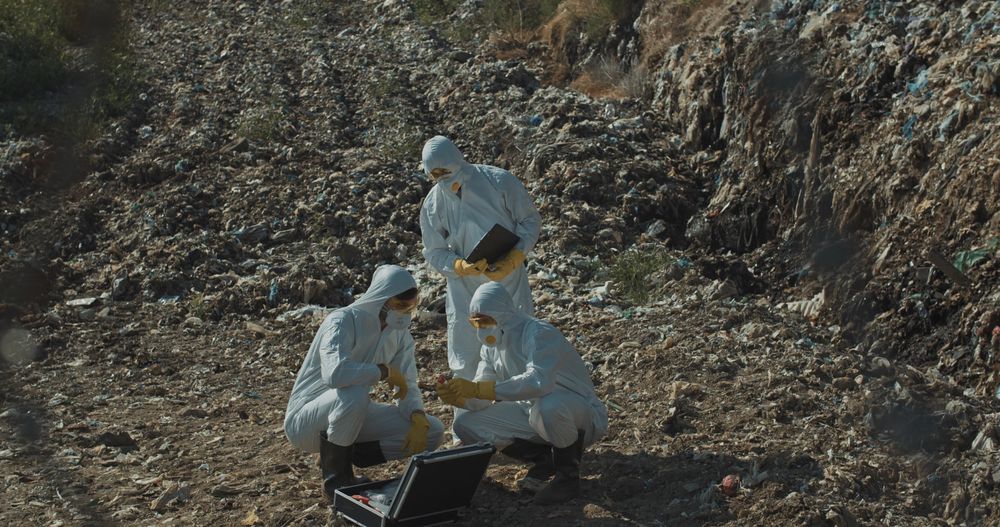
Contaminated soil remediation is a critical step in safeguarding both public health and the environment, particularly in urban and industrial areas across Melbourne. With industrial expansion, historical land use, and urban development, soils in many locations can harbour hazardous substances such as heavy metals, hydrocarbons, and chemical residues. Addressing these contaminants is not just about restoring the land, it’s about ensuring safe communities, protecting waterways, and supporting sustainable development. Experienced environmental consultants in Melbourne play a pivotal role in assessing contamination levels, identifying the most effective remediation strategies, and ensuring compliance with local regulations like those set by the EPA Victoria. By combining scientific expertise with practical solutions, soil remediation transforms degraded or polluted sites into safe, productive spaces for residential, commercial, or industrial use. As awareness of environmental responsibility grows, understanding and investing in contaminated soil remediation has never been more important.
Understanding Soil Contamination
Soil contamination occurs when hazardous substances accumulate in the ground, posing risks to human health, ecosystems, and urban infrastructure. Contaminants can include heavy metals such as lead and arsenic, petroleum hydrocarbons, pesticides, and industrial chemicals. Understanding the sources and types of contamination is essential for effective soil remediation and environmental management.
Sources of Soil Contamination
Contaminated soil often results from historical and ongoing human activities. Industrial operations, including manufacturing and mining, can release heavy metals and chemical residues into surrounding soil. Agricultural practices may introduce pesticides, herbicides, and fertilisers that alter soil chemistry. Urban development and improper waste disposal also contribute to the presence of toxic substances. Identifying the source of contamination helps environmental consultants tailor remediation strategies effectively.
Impacts of Contaminated Soil
The consequences of polluted soil extend beyond the immediate site. Contaminants can leach into groundwater, affecting water quality, or bioaccumulate in plants and animals, creating long-term ecological and public health risks. Soil degradation reduces fertility, undermining both agricultural productivity and urban landscaping. Recognising these risks emphasises the importance of timely soil testing, environmental consulting, and the application of appropriate remediation techniques.
Regulatory Framework in Australia
Understanding the regulatory framework is essential for managing contaminated soil safely and effectively. In Victoria, the Environmental Protection Authority (EPA) provides comprehensive guidelines for contaminated land assessment and remediation. Compliance with these regulations ensures that landowners, developers, and environmental consultants minimise risks to public health and the environment.
Key Guidelines and Standards
The EPA Victoria sets out specific procedures for site assessment, contamination reporting, and remediation. These guidelines define acceptable contamination levels for residential, commercial, and industrial land, providing clear benchmarks for soil testing and remediation efforts. Environmental consultants rely on these standards to develop safe, compliant strategies tailored to each site.
Legal Responsibilities
Landowners and developers have a legal obligation to manage contaminated sites appropriately. Failing to comply with regulations can result in fines, legal action, and long-term environmental liability. Environmental consultants play a crucial role in helping clients navigate these obligations, conducting thorough assessments, and recommending remediation solutions that meet regulatory standards.
Adhering to Australia’s regulatory framework not only ensures legal compliance but also promotes sustainable land use and protects local communities from the harmful effects of soil contamination.
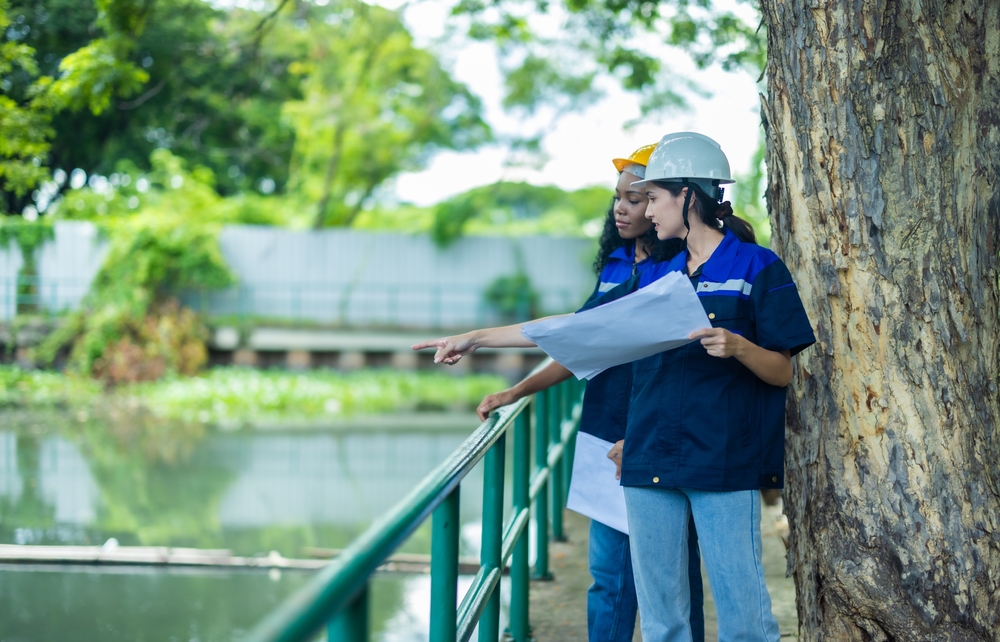
Soil Testing and Assessment Techniques
Accurate soil testing is a cornerstone of effective contaminated soil remediation. Understanding the type and concentration of pollutants allows environmental consultants to develop targeted remediation strategies that protect human health and the surrounding environment.
Physical, Chemical, and Biological Testing
Soil assessment typically involves a combination of physical, chemical, and biological analyses. Physical testing examines soil texture, structure, and moisture content, which can influence contaminant movement. Chemical testing identifies hazardous substances such as heavy metals, petroleum hydrocarbons, and pesticides, providing a detailed contaminant profile. Biological tests evaluate the impact of contaminants on soil organisms, helping to assess ecological risk and long-term soil health.
Advanced Detection Methods
Modern remediation projects often employ advanced techniques to detect and quantify pollutants with high precision. X-ray fluorescence (XRF) allows rapid, on-site measurement of heavy metals, while gas chromatography–mass spectrometry (GC-MS) identifies organic contaminants. Bioassays provide insight into the biological effects of contaminated soil, guiding remediation decisions. These techniques, combined with expert analysis from environmental consultants, ensure comprehensive site assessments that form the foundation for safe and sustainable soil remediation.
Effective soil testing and assessment not only inform remediation plans but also support regulatory compliance, reduce environmental liability, and restore contaminated land for safe reuse.
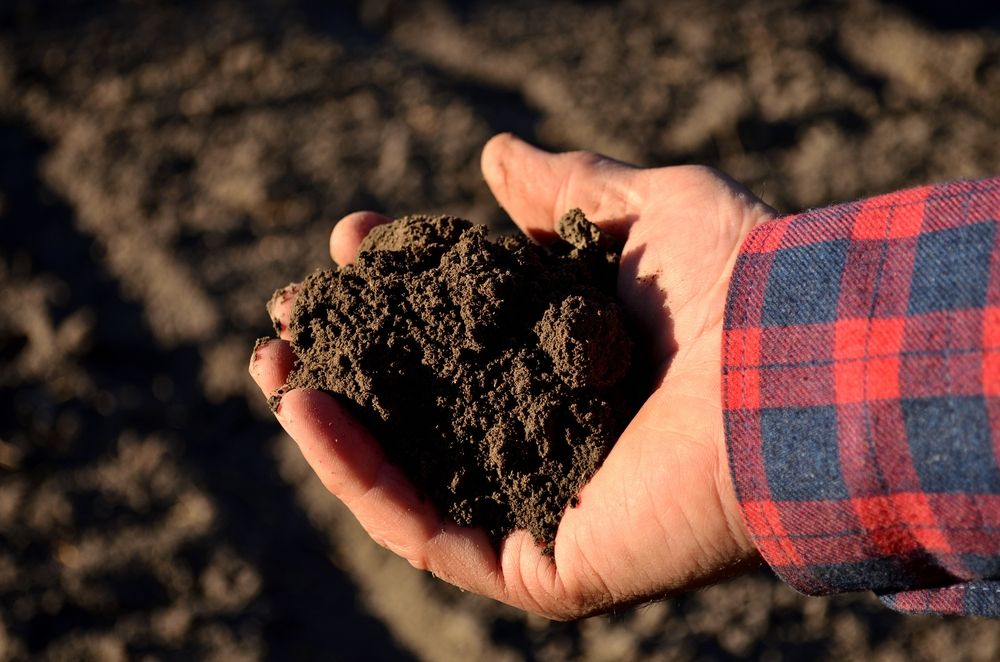
Contaminated Soil Remediation Methods
Selecting the right remediation method is essential for effectively treating contaminated soil. The choice of technique depends on the type of contaminant, the extent of pollution, site conditions, and regulatory requirements.
Excavation and Landfill Disposal
Excavation remains one of the most traditional approaches to soil remediation. Contaminated soil is removed from the site and transported to a licensed landfill for safe disposal. While effective for immediate risk removal, this method can be costly and environmentally disruptive. Proper management ensures compliance with EPA Victoria regulations and minimises potential liability for landowners.
Bioremediation
Bioremediation utilises microorganisms to break down organic contaminants, such as hydrocarbons and pesticides, into less harmful substances. This method is environmentally sustainable and can be applied in situ, reducing the need for soil excavation. Bioremediation offers a cost-effective solution for long-term soil health restoration.
Phytoremediation
Phytoremediation involves the use of plants to extract, stabilise, or degrade contaminants from the soil. Certain species can accumulate heavy metals or metabolise organic pollutants, making this approach particularly effective for large areas of low to moderate contamination. It also improves soil structure and supports biodiversity.
Chemical Remediation
Chemical remediation uses agents such as stabilisers, oxidisers, or surfactants to neutralise or remove contaminants. This technique is often applied for heavy metal contamination or persistent organic pollutants and can complement biological and physical methods for comprehensive remediation.
Innovations and Emerging Technologies
The field of contaminated soil remediation continues to evolve, with new technologies improving efficiency, sustainability, and cost-effectiveness. Innovations are helping environmental consultants across Australia tackle complex contamination challenges more effectively than ever before.
Nano-Remediation
Nano-remediation uses nanoparticles to target and break down contaminants at a molecular level. These particles can neutralise heavy metals or degrade organic pollutants with high precision, offering faster and more efficient remediation compared to traditional methods.
Electrokinetic Remediation
Electrokinetic remediation involves applying an electric field to the soil to mobilise contaminants towards collection points. This technique is particularly useful for clay-rich soils and sites with heavy metal contamination. It reduces the need for large-scale excavation and can be combined with chemical or biological treatments for enhanced results.
Hybrid and Combined Approaches
Researchers are increasingly developing hybrid solutions that integrate bioremediation, phytoremediation, and chemical techniques. These combined approaches allow for tailored solutions depending on contaminant type, site conditions, and environmental sensitivity.
Future Trends
Ongoing research in Australia focuses on improving the efficiency and sustainability of remediation technologies. Emerging methods prioritise minimal environmental impact, faster contaminant degradation, and long-term soil health restoration, ensuring safer, more productive land use.
Do You Need Environmental Consultants in Melbourne?
When you need environmental consultants, look no further than Alpha Environmental.
Contaminated soil remediation is essential for protecting public health, restoring ecosystems, and enabling safe urban and industrial development across Melbourne. By combining traditional methods like excavation with innovative approaches such as bioremediation and phytoremediation, environmental consultants Melbourne can deliver effective, sustainable solutions tailored to each site.
Get in touch with Alpha Environmental by calling 1300 039 181 or fill in our online contact form and we will get back to you.
FAQ
What is contaminated soil remediation?
Contaminated soil remediation involves identifying, assessing, and treating soil that contains hazardous substances such as heavy metals, hydrocarbons, or pesticides to reduce environmental and health risks.
Why is soil testing important before remediation?
Soil testing provides detailed information about the type and concentration of contaminants. This helps environmental consultants in Melbourne design effective remediation strategies that comply with EPA Victoria guidelines.
What are the common methods of soil remediation?
Methods include excavation and landfill disposal, bioremediation using microorganisms, phytoremediation with plants, and chemical treatments. Often, a combination of techniques delivers the best results.
How long does contaminated soil remediation take?
The timeline depends on contamination type, site size, and chosen remediation method. Some projects take a few weeks, while complex sites may require several months of treatment and monitoring.
Can remediated soil be reused?
Yes. Once contaminants are reduced to safe levels, remediated soil can often be reused for landscaping, construction, or other applications, supporting sustainable land management.
How do environmental consultants in Melbourne help with remediation?
They conduct soil testing, assess risks, recommend appropriate remediation methods, ensure regulatory compliance, and oversee the remediation process from start to finish.
What are the risks of not remediating contaminated soil?
Failing to remediate contaminated soil can lead to groundwater pollution, health hazards for nearby communities, legal liability, and long-term environmental degradation.
Are there sustainable methods for soil remediation?
Yes. Techniques like bioremediation and phytoremediation use natural processes to clean soil, offering environmentally friendly, cost-effective, and sustainable solutions for contaminated sites.