
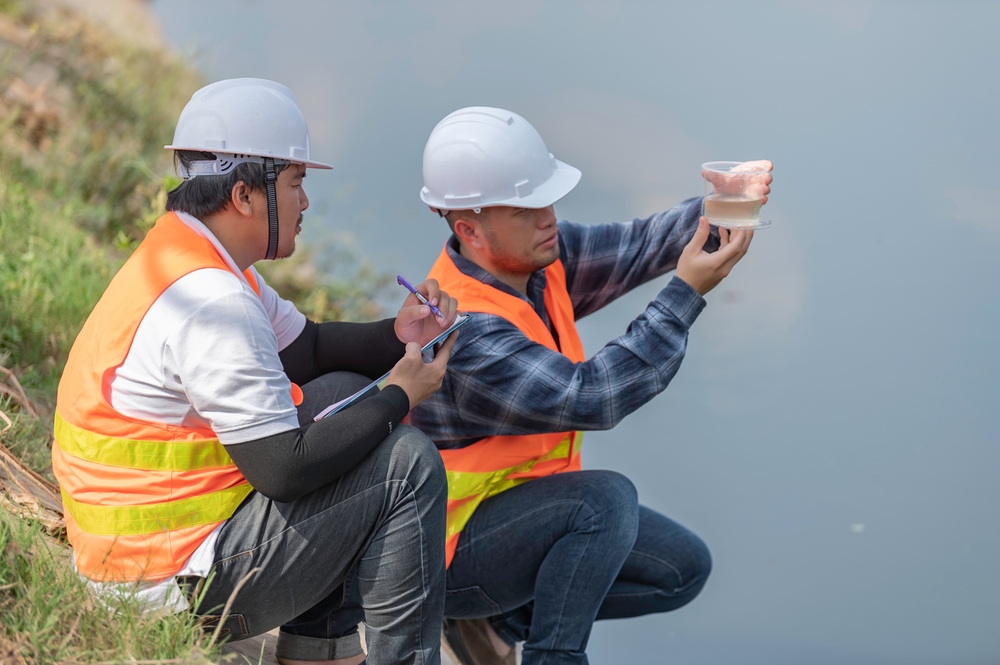
Environmental due diligence is a critical step for any property developer, investor, or business seeking to manage environmental risks and ensure compliance with regulations. In Melbourne, where urban growth often intersects with historically industrial sites, understanding a property’s environmental history can mean the difference between a smooth development and unexpected liabilities. Engaging an experienced environmental consultant in Melbourne can help navigate the complex landscape of contamination assessments, regulatory obligations, and remediation strategies. Environmental due diligence not only identifies potential hazards such as soil contamination, asbestos, or groundwater pollution but also provides a roadmap for managing risks effectively. Beyond legal compliance, it supports sustainable development practices, protects financial investments, and safeguards community wellbeing. With the city’s increasing focus on environmentally responsible growth, performing thorough due diligence has become more than a precaution, it is a strategic advantage for anyone involved in property transactions or industrial operations.
What Is Environmental Due Diligence?
Environmental due diligence is the process of identifying, assessing, and managing environmental risks associated with land, property, or business operations, particularly during acquisitions, developments, or major investments. In Melbourne and across Victoria, it plays a critical role in determining whether historical or current land uses may have resulted in site contamination or non-compliance with environmental regulations. Former industrial activities, fuel storage, waste disposal, or manufacturing processes can leave behind contaminants that pose legal, financial, and environmental risks if not properly understood.
Environmental due diligence typically begins with a review of historical land use, planning records, and environmental databases to identify potential contamination risks. This initial stage, often referred to as a Phase 1 Environmental Site Assessment, helps establish whether further investigation is required. Where risks are identified, a Phase 2 Environmental Site Assessment may follow, involving intrusive investigations such as soil testing, groundwater monitoring, and laboratory analysis to confirm the presence and extent of contamination.
By undertaking an environmental risk assessment early, businesses and developers can make informed decisions about property transactions, remediation requirements, and project feasibility. Environmental due diligence also supports compliance with Victorian environmental legislation, reduces the likelihood of unexpected liabilities, and provides a clear framework for managing contaminated land in a responsible and sustainable manner.
Types of Environmental Due Diligence
Environmental due diligence can take several forms depending on the nature of the site, its historical use, and the level of risk involved. The most common starting point is a desktop-based assessment, which focuses on reviewing available information such as historical aerial imagery, planning records, environmental registers, and previous site reports. This stage is designed to identify potential environmental constraints and determine whether past activities may have resulted in contamination that could affect future land use or development.
Where potential risks are identified, more detailed investigations are typically required. These involve intrusive site assessments that include soil testing, groundwater monitoring, and, where relevant, air quality or vapour assessments. Such investigations allow environmental consultants to confirm the presence, type, and extent of contamination and to undertake a robust environmental risk assessment. This information is essential for understanding how contamination may impact human health, the environment, or nearby sensitive receptors.
In some cases, environmental due diligence also extends beyond initial investigations to include ongoing monitoring and management. This may be necessary for sites undergoing remediation, redevelopment, or changes in land use. Continuous monitoring and reporting help ensure compliance with environmental regulations in Victoria and provide confidence that risks associated with contaminated land are being effectively managed over the long term.
Why Environmental Due Diligence Matters
Environmental due diligence is essential for managing regulatory, financial, and environmental risks associated with land and property in Melbourne and across Victoria. One of its primary benefits is ensuring compliance with environmental legislation, including obligations under Victorian environmental laws and local council requirements. By identifying contamination issues early, organisations can address regulatory concerns proactively and avoid enforcement action, project delays, or costly legal disputes.
From a financial perspective, environmental due diligence protects investors, developers, and businesses from unexpected liabilities. Undetected site contamination can significantly increase remediation costs, reduce property value, or even render a site unsuitable for its intended use. A thorough environmental risk assessment provides clarity around potential costs and enables informed decision-making before committing to a purchase or development.
Environmental due diligence also plays an important role in supporting sustainable development and protecting corporate reputation. Demonstrating a commitment to responsible land use and environmental management helps build trust with regulators, stakeholders, and the wider community.
The Environmental Due Diligence Process
The environmental due diligence process typically begins with preliminary research aimed at building an understanding of a site’s environmental history and potential risk profile. This stage involves reviewing historical land use records, planning documentation, environmental registers, and previous investigation reports to identify activities that may have caused contamination. By establishing a clear baseline, environmental consultants can determine whether further investigation is required and tailor the scope of works accordingly.
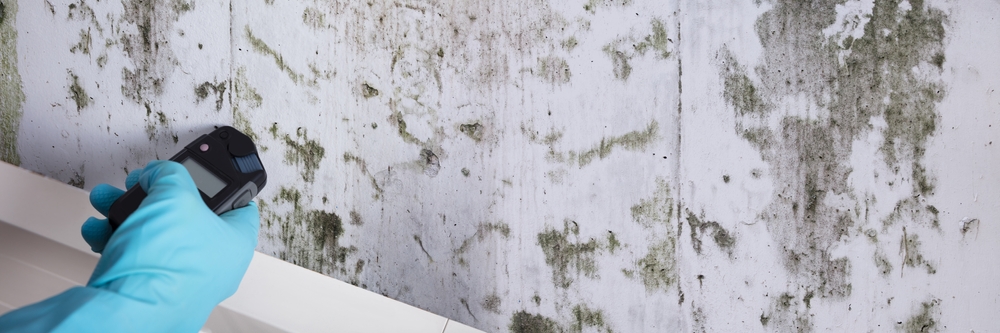
Where potential risks are identified, the process progresses to site inspection and testing. This involves on-site assessments and investigations such as soil sampling, groundwater monitoring, and, where relevant, testing for asbestos or hazardous materials. Samples are analysed in accredited laboratories to confirm the presence and extent of contamination. The data collected during this phase forms the foundation of a detailed environmental risk assessment, considering factors such as human health exposure, environmental receptors, and proposed land use.
The final stage of environmental due diligence focuses on risk evaluation and reporting. Findings are compiled into a comprehensive report that outlines identified risks, regulatory implications, and recommended management or remediation strategies. This documentation supports informed decision-making, regulatory compliance in Victoria, and provides a clear pathway for managing contaminated land throughout development or ongoing operations.
Common Challenges and Pitfalls in Environmental Due Diligence
Environmental due diligence can present a range of challenges, particularly when dealing with sites that have a long or complex history of industrial or commercial use. One of the most common issues is incomplete or inaccurate historical information, which can make it difficult to fully assess past activities that may have contributed to site contamination. Gaps in records or undocumented land uses can result in contamination being overlooked during early-stage assessments.
Another frequent challenge is underestimating the scope of investigation required. Relying solely on preliminary assessments without undertaking appropriate soil testing or groundwater monitoring can expose businesses to unforeseen environmental risks later in the project lifecycle. This may lead to unexpected remediation costs, delays to development approvals, or non-compliance with environmental regulations in Victoria.
Regulatory complexity can also be a pitfall, particularly for organisations unfamiliar with local requirements. Environmental obligations may vary depending on site conditions, proposed land use, and surrounding receptors. Engaging experienced environmental professionals early helps mitigate these risks by ensuring environmental risk assessment is thorough, compliant, and aligned with project objectives.
Choosing the Right Environmental Services Provider
Selecting the right environmental services provider is a critical step in ensuring effective environmental due diligence. In Melbourne, engaging a provider with local expertise is essential, as they are familiar with regional regulations, council requirements, and the specific environmental challenges that can arise in urban and industrial areas. A skilled provider can guide clients through all stages of the due diligence process, from preliminary site research and Phase 1 Environmental Site Assessments to detailed Phase 2 investigations and ongoing monitoring.
The right environmental consultant will also provide practical advice on remediation strategies, risk management, and compliance reporting, helping businesses make informed decisions and avoid costly liabilities. Their expertise ensures that all assessments are conducted to a high standard, with robust methodology and accurate analysis of contamination, soil and groundwater quality, and potential environmental hazards. By partnering with an experienced environmental services provider, developers, investors, and businesses can confidently manage environmental risks while supporting sustainable development and maintaining regulatory compliance in Victoria.
Looking for Environmental Consultants in Melbourne?
If you want to do your environmental due diligence, get in touch with the environmental consultants at Alpha Environmental. Environmental due diligence is essential for managing contamination risks, ensuring regulatory compliance, and supporting sustainable development in Melbourne. By engaging experienced environmental services providers, businesses and developers can make informed decisions, mitigate financial and legal liabilities, and protect both the environment and their reputation throughout property transactions and development projects.
Get in touch with Alpha Environmental by calling 1300 039 181 or fill in our online contact form and we will get back to you.
FAQ – Environmental Due Diligence
What is environmental due diligence, and why is it important?
Environmental due diligence is the process of assessing land or property for potential contamination and environmental risks. It is important for ensuring compliance with Victorian regulations, protecting investments, and avoiding unexpected remediation costs or legal liabilities.
Do I need environmental due diligence when buying property in Melbourne?
While not always legally required, it is highly recommended, especially for sites with prior industrial or commercial use. Due diligence helps identify potential risks before purchase, saving costs and protecting your investment.
How long does the environmental due diligence process take?
The timeframe varies depending on site size and complexity. Phase 1 assessments typically take a few weeks, while Phase 2 investigations, including sampling and laboratory analysis, may take several weeks to months.
How do I choose the right environmental services provider in Melbourne?
Look for a provider with local expertise, experience in Phase 1 and Phase 2 assessments, regulatory knowledge, and a strong track record of helping clients manage contaminated land safely and efficiently.